Your Team

Meet the Aftercare Team

The leadership of the Plastic Surgery & Aesthetics Medical Center — specialists in aesthetic and reconstructive surgery, skin and laser care, and dermatology — practicing within Chongqing West District Hospital, a tertiary general hospital. Wound healing, scar maturation and the review of a result over its first year are shared work across all four.

Specialist Profiles

The four leads who look after recovery

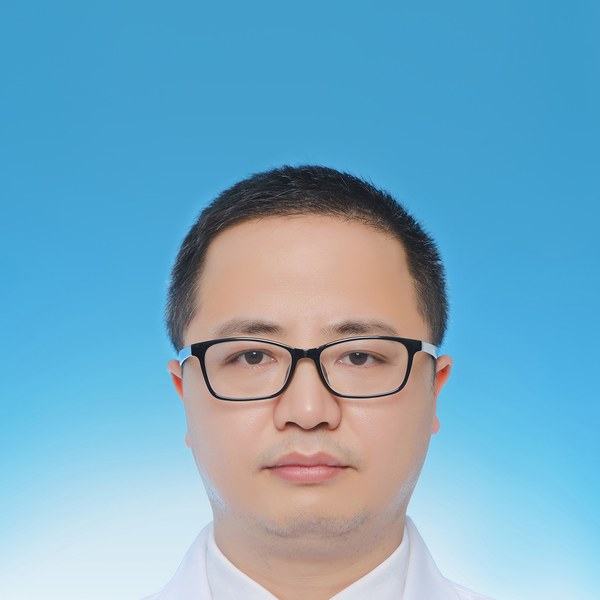
Tongchun Mao, MD

Tongchun Mao, MD (毛彤春)

Deputy Director & Head of Aesthetic Surgery · Medical Reviewer · Vice Chief Physician, Licensed Aesthetic Attending

Recovery review · healing after facial surgery · scars

Dr. Tongchun Mao is Deputy Director of the Plastic Surgery & Aesthetics Medical Center at Chongqing West District Hospital and the physician who reviews the recovery and aftercare guidance published on this site. A core specialist formerly at the plastic and aesthetic surgery department of Xinqiao Hospital, affiliated with Army Medical University, he has rooted his clinical practice for more than 20 years and personally performs over 700 operations a year.

His practice covers detailed facial surgery, facial rejuvenation and surgical contouring, and body contouring. That volume is also why he leads the aftercare standards here: the person who performs the operation is the person best placed to say what healing should look like in the weeks afterwards, and what should prompt a same-day phone call.

Clinical focus

  • Recovery review after detailed facial surgery (eyelid, nose, chin, lip), including healing after operations performed elsewhere
  • Assessment of swelling, sensation and scar maturation across the first year
  • Assessment of wounds that are slow to heal or healing abnormally, and planning of revision when a result has not settled as expected
  • Aftercare protocols for facial surgery: dressings, activity limits, compression and review points
  • Aesthetic closure principles applied to dermatologic excisions; FUE hair transplantation and body contouring with their own recovery pathways

Academic roles & achievements

  • Member, Rhinoplasty and Trunk Tumor Groups, Chinese Medical Association Plastic Surgery Branch
  • Member, Chongqing Medical Aesthetics Quality Control Center; Member, Chongqing Medical Accident / Disability Assessment Expert Pools
  • Deputy Chair, Chongqing Shapingba District Medical Aesthetics Committee
  • Published 5 SCI papers, holds 7 national patents, and has participated in 4 research projects
  • Repeatedly named an "Outstanding Young Physician" at Xinqiao Hospital since joining in 2005

The operation is not finished when you go home

A result is made in the operating room and then shaped by what happens in the months afterwards — how the wound is cared for, whether compression is worn, when activity resumes, and whether a problem was reported early. That is why aftercare is treated here as part of the treatment rather than as an appendix to it.
Shaoliang Wang, MD

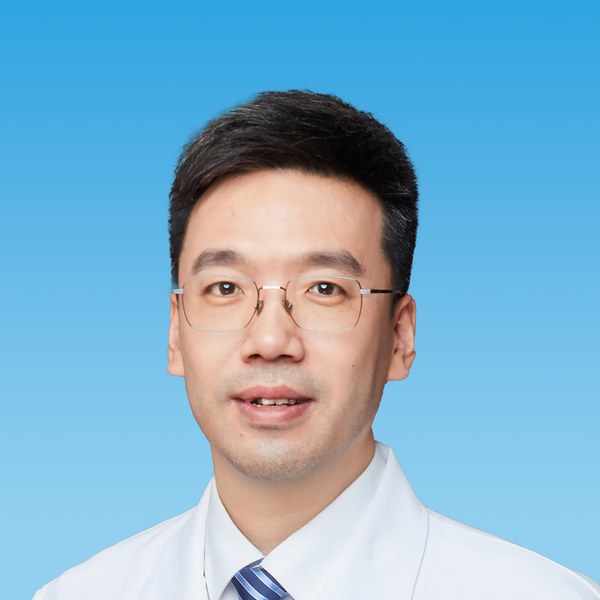
Shaoliang Wang, MD (王韶亮)

Director, Plastic Surgery & Aesthetics Medical Center · Vice Chief Physician, Associate Professor, Doctor of Medicine

Complex wounds · revision · healing problems

Dr. Shaoliang Wang is Director of the Plastic Surgery & Aesthetics Medical Center at Chongqing West District Hospital. He previously served as deputy chief of plastic and aesthetic surgery at Xinqiao Hospital, affiliated with Army Medical University, and brings more than two decades of tertiary-hospital surgical experience to his practice.

Within this team he is the surgical backstop for anything that is not healing as it should: a wound that will not close, an infection that needs theatre, a scar that needs revision, or an operation performed elsewhere that has gone wrong. Twenty years of tertiary-hospital surgery inform every opinion he gives, including the judgement that a wound needs to be reopened and repaired rather than watched.

Clinical focus

  • Management of complex and slow-healing wounds, with layered cosmetic closure
  • Wound infection and wound breakdown: assessment, debridement and repair
  • Scar revision and comprehensive scar management after burns, trauma and previous surgery
  • Repair of failed aesthetic operations from elsewhere, and the recovery plan that goes with it
  • Surgical removal of skin tumors with margin control; excision and repair of moles, cysts and other superficial lesions
  • Tertiary-hospital surgical support when a healing problem needs theatre-level care

Academic roles & achievements

  • Member, Craniofacial Surgery Group, Chinese Medical Association Plastic Surgery Branch
  • Deputy Chair, Chongqing Medical Aesthetics & Beauty Committee
  • Standing Committee Member, Chongqing Medical Doctor Association Plastic Surgery Branch
  • Expert Panel, Chongqing Aesthetic Surgery Quality Control Center
  • Developed a new endoscope- and water-jet-assisted technique for removing injected polyacrylamide (Aomingding) breast filler; awarded the Wang Liangneng Cup Military Excellent Scientific Paper Award
  • Principal investigator on an international cooperation sub-project, a Chongqing Natural Science Foundation grant, and a Third Military Medical University technology-transfer project; published 4 SCI papers and holds 8 national invention patents

A hospital-based advantage

When a wound breaks down, an infection needs surgery, or a complication needs theatre-level care, the operating room, anaesthesiology and intensive care are already in the same building. Practicing inside a tertiary general hospital means that backstop is real rather than theoretical.

Ke He, MD

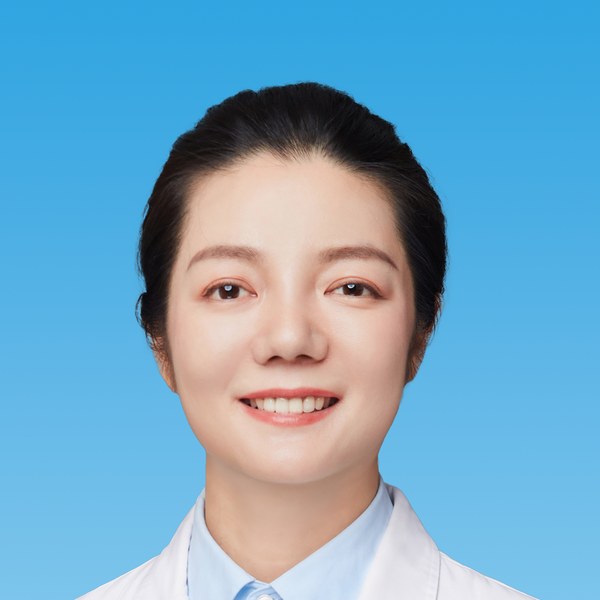
Ke He, MD (何锞)

Deputy Director & Head of Skin & Laser Aesthetics · Attending Physician, Licensed Aesthetic Attending

Scar assessment · scar maturation · laser scar care

Dr. Ke He is Deputy Director of the Plastic Surgery & Aesthetics Medical Center and head of its skin and laser aesthetic service at Chongqing West District Hospital. A core specialist formerly at the plastic and aesthetic surgery department of Xinqiao Hospital, affiliated with Army Medical University, she has worked on the clinical front line in skin laser and aesthetic dermatology for more than 20 years, serving over ten thousand patients.

Within this team she leads the scar side of recovery: judging whether a scar is maturing normally or becoming thick and spreading, deciding when silicone or pressure is enough and when laser treatment is warranted, and managing the pigment change and sensitivity that often accompany a healing wound.

Clinical focus

  • Scar assessment and maturation review: when a scar is settling normally and when it is not
  • Early scar prevention and repair: silicone, pressure, injection and laser protocols
  • Laser and energy-based treatment of red, raised or spreading scars
  • Pigment change around a healing wound, including post-inflammatory pigment
  • Barrier repair while a wound is closing, and skin care once it has closed
  • Skin sensitivity and reaction management after a procedure, including reactions to dressings and topical products

Academic roles & achievements

  • Member, Laser Medicine Group, Chinese Medical Association Plastic Surgery Branch
  • Member, Facial Rejuvenation Group, Chinese Medical Association Plastic Surgery Branch
  • Member, Chongqing Plastic Surgery Quality Control Center
  • Published 5 papers, holds 5 national patents, and introduced 2 new clinical techniques

A scar is judged after it has matured

In the first weeks a scar is red, raised and firm, and that is a stage rather than a result. It matures over twelve to eighteen months, and the useful question at each review is whether it is following that course — not whether it looks finished. Consistency with simple measures, and treating a scar that is genuinely not settling, is what changes the outcome.

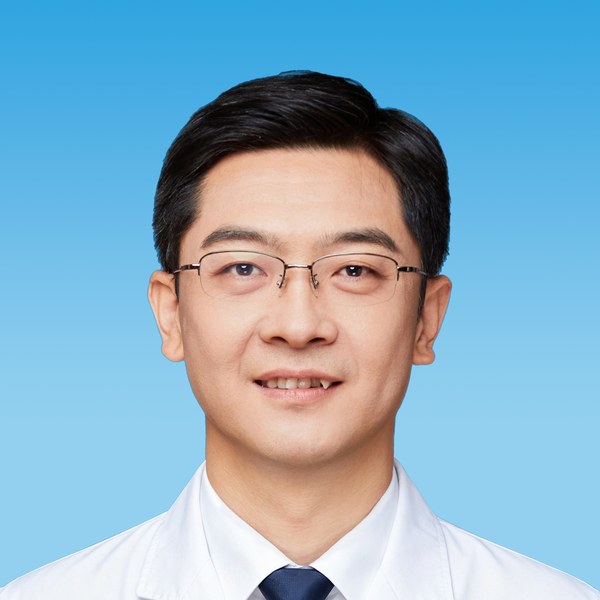
Yongbo Jia, MD

Yongbo Jia, MD (贾勇波)

Deputy Director & Head of Dermatology · Vice Chief Physician, Licensed Aesthetic Attending

Skin around the wound · infection · pigment

Dr. Yongbo Jia is Deputy Director of the Plastic Surgery & Aesthetics Medical Center and head of its dermatology service at Chongqing West District Hospital. A vice chief physician and licensed aesthetic attending, he graduated from Chengdu University of Traditional Chinese Medicine and trained in dermatology at the Institute of Dermatology, Chinese Academy of Medical Sciences, and at Chongqing Hospital of Traditional Chinese Medicine.

Within this team he is responsible for the medical condition of the skin around a healing wound: whether redness is irritation or infection, whether a rash is contact dermatitis from a dressing or an allergy to a topical product, and whether pigment change after healing is behaving as expected. A wound on unhealthy skin heals poorly, and he is the person who says so.

Clinical focus

  • Dermatologic assessment of a wound that is slow to heal, discharging or inflamed
  • Wound infection, dermatitis and allergic reaction around a dressing or a topical product
  • Pigment management after healing: melasma, freckles, sun spots and post-inflammatory change
  • Scar and pigment care following surgery, and skin barrier repair during recovery
  • Aesthetic excision of superficial moles, cysts and haemangiomas, and the aftercare that follows

Academic roles & achievements

  • Member, Jiusan Society
  • Member, Chongqing Integrative Medicine Skin & Beauty Committee
  • Advanced training at the Institute of Dermatology (Chinese Academy of Medical Sciences) and Chongqing Hospital of Traditional Chinese Medicine

Not every red wound is infected

Redness, itching and a rash around a healing wound are often contact dermatitis from a dressing, an adhesive or a topical preparation rather than infection — and the two are treated in opposite ways. Getting that distinction right is why a skin assessment is part of aftercare, and why a new product should not be applied to a healing wound without asking first.

Questions about your recovery? Ask your own team

Recovery raises more questions than any appointment has time to answer. If something is worrying you — a dressing, a drain, pain, swelling, a scar, or a symptom you are not sure about — contact the team that treated you. The written instructions you were discharged with always take priority over general guidance, including everything on this page.

Contact the Aftercare Team